
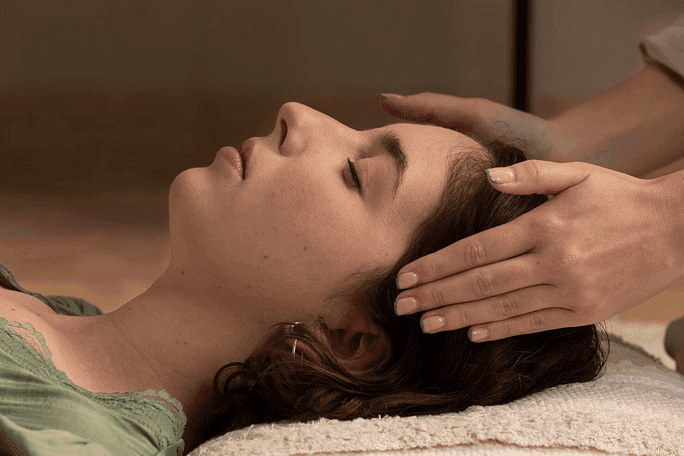
Understanding The Rise Of reiki energy healing in Connecticut
In recent years, reiki energy healing in connecticut has gained significant attention as more people search for natural and holistic ways to support their well-being. Reiki is based on the idea that the body has an energy system that can become blocked due to stress, emotional strain, or lifestyle imbalance. Practitioners use gentle techniques to help restore this flow.
Connecticut, with its growing wellness community, has become a supportive environment for Reiki practices. Wellness centers, private studios, and holistic clinics are increasingly offering sessions to individuals seeking relaxation and emotional grounding.
What makes Reiki appealing is its simplicity. There are no complex procedures or physical interventions. Instead, it focuses on calmness, presence, and energetic balance, making it accessible to people of different ages and lifestyles.
How reiki spiritual healing Supports Emotional Wellness
reiki spiritual healing is often associated with emotional clarity and inner peace. Many individuals report feeling lighter, calmer, and more centered after sessions. While experiences differ from person to person, the common outcome is a deep sense of relaxation.
Reiki works by encouraging the body to enter a restful state where emotional processing becomes easier. When stress builds up, it can affect sleep, mood, and focus. Reiki helps release that accumulated tension in a gentle and non-invasive way.
For example, a working professional dealing with burnout may find that regular Reiki sessions help reduce emotional overwhelm. Another person going through a life transition may feel more grounded and able to make clearer decisions after sessions.
It is important to note that Reiki does not replace medical or psychological care. Instead, it works alongside other wellness practices to support emotional balance.
Physical Relaxation and Stress Reduction Benefits
One of the most widely recognized benefits of Reiki is physical relaxation. During a session, individuals often lie down fully clothed while the practitioner uses light hand placements or energy-based techniques.
This process can help:
- Reduce muscle tension
- Slow down racing thoughts
- Improve sleep quality
- Lower stress-related discomfort
For instance, someone experiencing chronic stress may notice a gradual reduction in headaches or tightness in the shoulders after multiple sessions. While results vary, the calming effect is commonly reported.
Reiki encourages the nervous system to shift from a stressed state to a more relaxed one. This shift can support the body’s natural ability to recover and restore balance.
Real-Life Examples of Reiki Experiences
To better understand Reiki, it helps to look at real-life examples of how people respond to it.
One example involves a college student dealing with exam anxiety. After a few sessions, the student reported improved focus and reduced nervousness before exams. Another example is a retiree who began Reiki sessions to manage loneliness and stress, later describing a renewed sense of emotional stability and peace.
These examples show that Reiki is not limited to one type of person. It can be used by anyone looking for emotional grounding or relaxation support.
Each experience is unique because energy responses vary depending on lifestyle, emotional state, and openness to the process.
What To Expect During a Reiki Session
A typical Reiki session is calm and structured. You usually begin by discussing your intention with the practitioner. Then you lie down fully clothed on a treatment table in a quiet environment.
The practitioner may gently place their hands on or just above different areas of your body. You do not need to do anything except relax.
Common experiences during a session include:
- Warm or cool sensations in different parts of the body
- A deep sense of relaxation or light sleep
- Emotional release such as crying or relief
- Feeling mentally refreshed afterward
After the session, many people prefer to rest quietly and drink water to help integrate the experience.
Choosing The Right Reiki Environment in Connecticut
The environment plays a major role in how effective your Reiki experience feels. In Connecticut, you can find Reiki offered in various settings, each with its own atmosphere.
When choosing a location, consider:
- Clean and peaceful surroundings
- Practitioner’s communication style
- Level of professionalism and comfort
- Client reviews or personal recommendations
For example, a wellness center in a busy urban area may feel more clinical, while a small private studio in a quiet neighborhood may offer a more intimate and calming experience.
Your comfort level should guide your decision. If a space feels peaceful and safe, your body is more likely to relax deeply during the session.
Pro Tip for Maximizing Reiki Benefits
A simple yet powerful tip is to stay hydrated before and after your session. Water helps support the body’s natural energy flow and may enhance the feeling of lightness after Reiki.
Additionally, avoid rushing into stressful activities immediately after a session. Give yourself at least 30 to 60 minutes of quiet time. This allows your mind and body to fully absorb the calming effects.
Journaling after your session can also be helpful. Writing down your emotions, thoughts, or physical sensations can help you notice subtle improvements over time.
Conclusion
Reiki continues to grow as a gentle and supportive wellness practice for people seeking balance in their lives. Whether someone is dealing with stress, emotional challenges, or simply looking for relaxation, reiki energy healing in Connecticut offers a calm and accessible option.
Through consistent practice and the right practitioner, individuals may experience improved emotional stability, better relaxation, and a stronger sense of inner peace. While it is not a replacement for medical treatment, it can be a valuable part of a holistic wellness routine.
By approaching Reiki with openness and realistic expectations, individuals can explore its benefits in a grounded and meaningful way.