
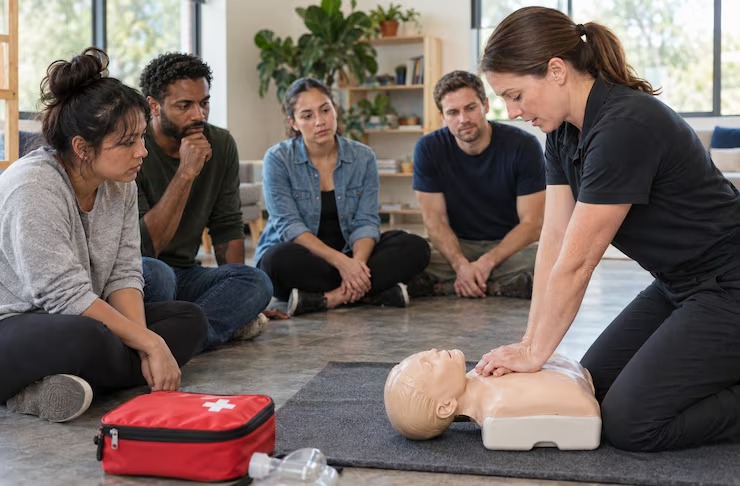
One of the best things you can do for your personal safety and the safety of those around you is to take a first aid course. But, as with any learning experience, how much you get out of it depends largely on how you approach it. Here are some practical ways to make your training as effective (and memorable!) as possible.
Begin with the right attitude
The people who are best at retaining knowledge are those that go into first aid training thinking that they will really use the skills they are being taught. They could statistically. If you take the material seriously from the outset, work with it instead of just breezing through it, and visualize yourself using each technique in a real-life situation, you are more likely to have a better result.
Treat It Like Practice, Not Just Know-How
The best athletes don’t only study their sport. They do. Just as the best way to learn the contents of a First Aid Course is through physical practice as well as watching and reading. When the course shows you the hand placement for CPR, take a moment to put your hands on your own chest or a firm surface and feel where the placement is. That muscle memory will come into play when it’s needed.”
Make the most of the interactive features
There is a reason why online first aid platforms like firstaidfreecourse.com offer interactive scenario practice and quizzes. They are not optional extras. They are key parts of the learning experience. “Don’t skip them or fast forward through them. Use every experience as if it were the real thing and learn from any wrong answers on the quiz, not fail from them.
Keep running the demos until they work .
If a technique demonstrated on video doesn’t feel immediately clear, replay. Then play it again. One of the biggest advantages of online learning over in-person classes is the ability to review any section as many times as necessary. It’s all here. It’s all there.
Make notes as you proceed
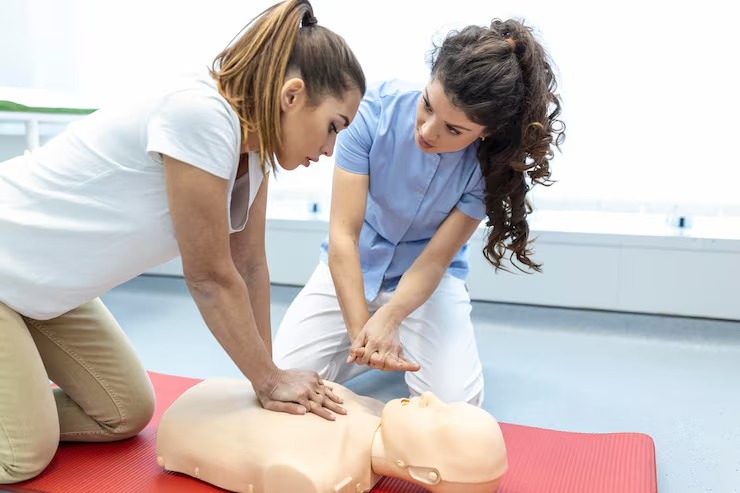
It’s a really good idea to write down key steps and techniques as you work through a free first aid course to help cement your learning. Your notes need not be formal or elaborate. For instance, a simple list of the steps for CPR gives you a quick reference document that you can review later, but also helps solidify the sequence in your memory during the writing process itself.
Build a Personal Emergency Reference
As you work through different sections of the course, think about developing a personal emergency reference document. Include the important steps for CPR, the signs of stroke, choking response steps and any other techniques you want to be able to access quickly in the future. This kind of active organization of the material turns what you have learned into a practical tool.
Practice with other people when you can
If you have people in your household or circle of friends who are also interested in training in first aid, learn together. Practicing the techniques with another person, talking about scenarios, testing each other on the key steps, reinforces the learning much better than just studying on your own.
Teach What You Know –
One of the best ways to get knowledge inside your head is to teach it to someone else. After you finish a section of the course, tell a family member or friend what you learned. Rephrasing the information in your own words reveals gaps in your understanding and strengthens the things that are already good.
Pay attention to the technical details
In first aid, the details count. CPR compression depth, hand placement and rate are not random. They are based on what research shows to really work. If the course describes a technique in a certain way, do it exactly like that. Shortcuts and approximations in first-aid training can create bad habits, which will limit the effectiveness of the response in a real emergency.
Knowing Why, Not Just How
A good first aid course will teach you not only how to do each technique but why each step is done the way it is. If you know why a technique is done, you are much more prepared to adjust accordingly if a real situation does not look exactly like the one you trained for.
Keep Your Training Fresh
New evidence forms the basis of first aid guidelines. The training you do today is good preparation but it is not a permanent credential. Be sure to plan for a return trip through the course every 1-2 years. Refreshing your knowledge is free, the first aid free course is available at no cost, so you just need to invest your time.
Concluding remarks
The first aid course is most valuable if you take it seriously, practice actively and return to it over time. The knowledge you acquire can save a life, and that result is worth putting in real effort to learn. All that is left to bring is your attention and commitment with a free online course available.
Frequently Asked Questions
- Should I take notes during an online first aid course?
Yes. Taking notes helps reinforce what you learn and gives you a personal reference document you can revisit later. - How can I practice first aid skills at home between course sessions?
Practice physical techniques like CPR hand placement on a firm surface. Review your notes regularly and discuss what you are learning with people around you. - How often should I retake or review the first aid free course?
Revisiting the course every one to two years is a good practice. This keeps your knowledge current and helps you stay sharp on techniques that might otherwise fade from memory.